
Almost nobody calls me about a dryer vent. They call me about a dryer.
The machine is taking two cycles. It is getting hot. It is not drying the towels properly any more. All of that reads as an appliance wearing out, and a lot of working dryers get replaced on that reasoning. The vent behind it is still blocked afterward, and the new dryer starts doing the same thing within a year.
Here is how to tell the difference before you spend anything.
The signs, in the order you will notice them
- One cycle stopped being enough. This is the first and by far the most common. Damp air has to leave the drum for clothes to dry, and if it cannot get out, the machine just keeps tumbling warm wet air around.
- Heavy loads got worse faster than light ones. Towels and jeans push more moisture through the duct, so a restriction shows up there first. If small loads are still fine, that is a clue rather than a reprieve.
- The dryer or the room is hot. Heat that should be going outside is staying in. Put a hand on the top of the machine at the end of a cycle. It should be warm, not something you want to take your hand off.
- Lint is turning up where it did not used to be. Around the door seal, on the clothes, on the floor behind the machine.
- The flap outside is not opening. Every vent terminates somewhere on the outside of your house with a hood and a flap. Run the dryer and go look. It should be pushed open by the airflow. If it is shut, barely moving, or you cannot find it at all, the air is not getting out.
- A burning smell. This one is different from the others. Stop the machine and stop using it until the vent has been cleared.
The twenty second version
Turn the dryer on, walk outside, and hold your hand in front of the vent hood.
You are looking for a firm, warm push of air. A weak trickle means the duct is restricted somewhere between the machine and that hood. Nothing at all means it is blocked, or the duct has come apart inside a wall or a crawlspace and is now venting into the building, which is its own problem.
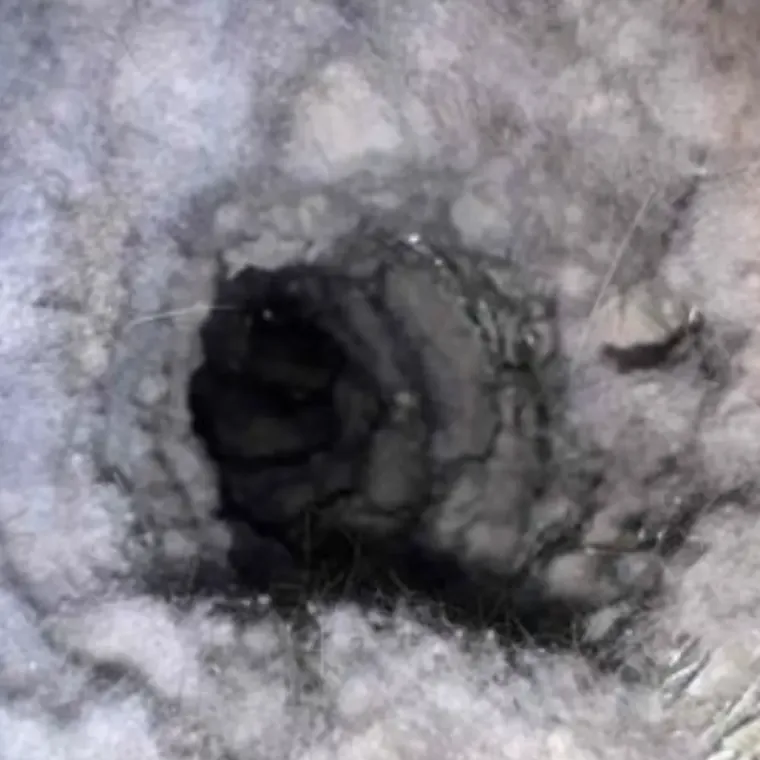
While you are there, look at the hood itself. Broken flaps and missing covers are how birds get in, and a nest in a dryer vent is one of the most complete blockages there is.
Why this is the one job I push
Everything else I do is about air quality and efficiency, and reasonable people can weigh those against the cost. This one is not that.
Lint is fuel. It collects along the duct, the duct gets warm because the airflow that would carry heat away is the thing being blocked, and the machine runs longer and hotter trying to finish the load. The National Fire Protection Association’s data on this is consistent: failure to clean is the leading contributing factor in home clothes dryer fires. Not a faulty machine. Not bad wiring. Lint that nobody removed.
It is also the job most houses have never had done, because nothing about it is visible. A furnace filter is a thing you see and change. The eight or twenty feet of duct behind your dryer is not.
What makes a vent worse than average
- Length. A laundry room in the middle of the house has a long run to daylight, and every extra foot is more surface for lint to catch on.
- Bends. Lint collects on the outside of every elbow. Two or three turns is common and each one is a place it starts.
- A roof termination. Lint goes up reluctantly and comes back down easily.
- The flexible hose behind the machine. The concertina foil or plastic transition hose gets crushed when the dryer is pushed back into place, and the ribs catch lint in a way smooth pipe does not.
- A big household. Volume is the whole variable. A house doing ten loads a week is not the same as one doing two.
What cleaning the lint screen does and does not do
Clean it every load. It matters, and it is free.
But the screen is at the front of the machine and the duct is at the back, so emptying it does nothing at all for what is already in the duct. Lint gets past that screen on every single cycle. That is not a defect, it is how the machine works, and it is why the duct fills up no matter how diligent you are.
Roughly once a year is the right interval for a normal household. Sooner if any of the aggravating factors above apply to you.
That interval is real, and it is worth knowing that it is the exception. The ducts that heat and cool your house work the other way around, and I have written separately about why those should be cleaned as needed rather than on a schedule.
If you are not sure
Take a photo of the vent hood on the outside of your house and text it to me. Between that and what your dryer has been doing, I can usually tell you whether this is worth booking or whether you have a dryer problem instead.